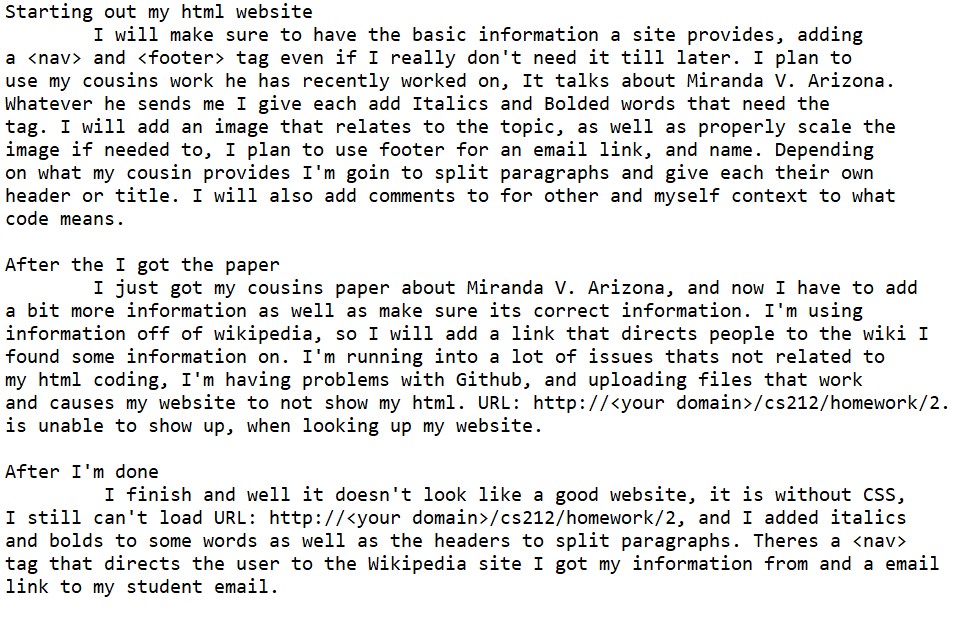
Who was Ernesto Miranda?
Ernesto was born on March 9, 1941 in Mesa, Arizona. His father Manual A. Miranda was house painter who had immigranted to the U.S. and his mother was named Cleopatra Miranda. Together they would have 12 children, Ernesto being the 5th child who at age 6 would loose his mother leading to his father remarrying the following year. Ernesto and his father never got along, becoming distant with his family, eventually in 8th grade being convicted of burglary and sentence to a reform school for year. After he was released a month later he commited another crime causing him to return to the reform school, He later moved to California where he would be arrested on suspicion of armed robbery and sex offenses. He was in custody for two and a half years, after he would moved back to Arizona.
Police Line-up
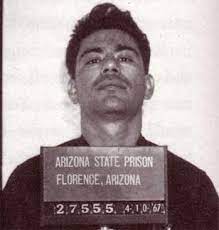 Ernesto continued to go in and out of jails from multiple states inside the U.S. after going back
Arizona, eventually he kept out of jail and worked for various jobs and lived with Twila Hoffman, a
mother with a boy and a girl. Ernesto Miranda was arrested by Phoenix Police on March 13, 1963. Miranda was
pointed out for the rape and kidnapping of an 18 year old. Police were pressing Miranda into
speaking the truth. Police questioned him for two hours without informing him of 5th amendment
right against self incrimination and his 6th amendment right to an attorney. Miranda signed a
confession to the rape charge on a form stating that he is aware of his right of self incrimination
even through he was never informed of it. He verbally confessed it as well. Miranda was never
advised of his right to remain silent.
Ernesto continued to go in and out of jails from multiple states inside the U.S. after going back
Arizona, eventually he kept out of jail and worked for various jobs and lived with Twila Hoffman, a
mother with a boy and a girl. Ernesto Miranda was arrested by Phoenix Police on March 13, 1963. Miranda was
pointed out for the rape and kidnapping of an 18 year old. Police were pressing Miranda into
speaking the truth. Police questioned him for two hours without informing him of 5th amendment
right against self incrimination and his 6th amendment right to an attorney. Miranda signed a
confession to the rape charge on a form stating that he is aware of his right of self incrimination
even through he was never informed of it. He verbally confessed it as well. Miranda was never
advised of his right to remain silent.
The Trial
At trial Miranda’s attorney argued that the confession was not actually voluntary because Miranda wasn’t aware of his rights. Miranda’s confession was used as evidence against him. He was convicted 20-30 years in Prison. Miranda appealed the case to the Arizona Supreme court. His defense attorney said that he was not advised of his right or counsel present through his questioning; his questioning should be excused at the trial. The Police admitted that Miranda’s rights weren’t read to him. The Court stated that Miranda should be aware of his rights because he convicted a crime beforehand. Miranda’s appeal was declined.
The Supreme Court
He took it to the United States Supreme Court. The Court Ruled under the 5th Amendment that the police must inform suspects of their right to stay silent and the right to an attorney while in police custody. Defendants must be informed that they have the right to remain silent, that anything they say can and will be used against you in a court of law, you have a right to an attorney and if you cannot afford an attorney, one will be provided for you. The Court also stated that people can waive their rights and can confess or make a statement. The decision was criticized at the time for providing criminals with further means to avoid punishment. Miranda was retried when finding new evidence and was still sentenced to 20-30 years in prison. He was let out after 5 years on parole. Ironically he was killed and the killer was told his Mirranda Rights, and never told the police anything, the killer fled to mexico and was never caught.
My Plan